
 BMI 33
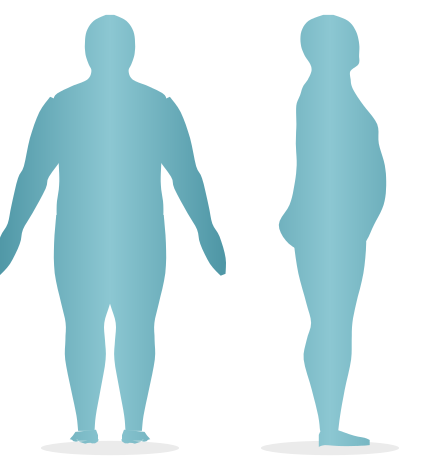 BMI 35
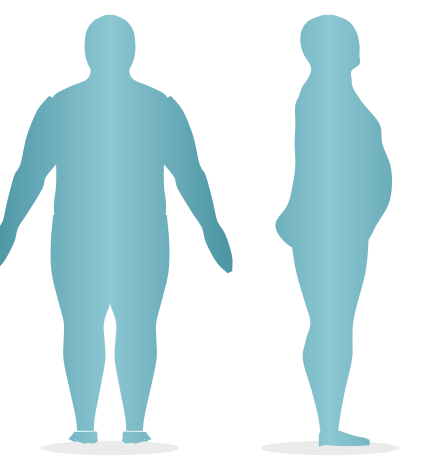 BMI 39
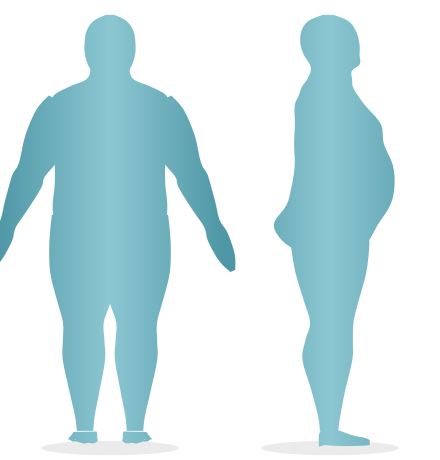 BMI 41
What Does BMI 37 Look Like on a Man?
At BMI 37, a man's physique is defined entirely by severe obesity. The abdomen is very large and pendulous, with a pronounced lower abdominal pannus that may hang to the upper thighs. The waist circumference is typically 115–126 cm. From the side profile, the belly extends well forward of the feet; from the front, the midsection is substantially wider than the shoulders.
The face is very round with significant jowl development, a heavily established double chin, and a broad neck. Chest fat is large, with gynaecomastia common. Upper arms are large with notable underarm fat. Thighs are thick and inner thigh chafing during walking is common, often causing skin irritation.
Walking is laboured and limited. Many men at BMI 37 walk with a wider stance to accommodate thigh size. Standing for extended periods causes foot and knee discomfort. Flights of stairs require pauses to recover breath. These functional limitations are not trivial — they compound over time, reducing activity levels further and accelerating weight gain and muscle loss.
The psychological burden of severe obesity at BMI 37 is also significant. Depression, social anxiety, and low self-esteem are considerably more prevalent than at healthy weight. The body image impact of obesity is compounding and multidimensional. Non-judgmental medical and psychological support is an important component of comprehensive obesity treatment at this level.
Health Risks and What to Do at BMI 37
At BMI 37, the full spectrum of obesity-related disease is almost certainly present or in advanced development. Type 2 diabetes, hypertension, dyslipidaemia, OSA, NASH, and joint disease collectively represent a very high burden of morbidity and meaningfully reduced life expectancy.
Medical intervention is strongly indicated. Options include:
- NHS tier 3 specialist weight management — multidisciplinary team input including dietitian, psychologist, exercise specialist, and physician
- GLP-1 pharmacotherapy (Wegovy/semaglutide) — may be offered at this BMI where there is a weight-related condition; 12–15% average body-weight reduction
- Bariatric surgery — available with comorbidity at BMI ≥35; producing 25–35% sustained weight loss (~29–41 kg from 117.2 kg)
Even a 10% weight loss (11.7 kg) from BMI 37 would bring a 178 cm man to approximately 105.5 kg (BMI ~33.3), significantly improving metabolic markers, blood pressure, sleep quality, and joint loading — all important intermediate outcomes on the journey to a healthy weight.
BMI 37 male: weight for every height
The weight that gives a BMI of 37 depends on height. The highlighted row is the 178 cm reference height used for the images on this page.
| Height | Kilograms | Stones | Pounds |
|---|---|---|---|
| 5ft 4in (163 cm) | 97.8 kg | 15 st 6 lb | 216 lb |
| 5ft 5in (165 cm) | 100.9 kg | 15 st 12 lb | 222 lb |
| 5ft 6in (168 cm) | 104.0 kg | 16 st 5 lb | 229 lb |
| 5ft 7in (170 cm) | 107.2 kg | 16 st 12 lb | 236 lb |
| 5ft 8in (173 cm) | 110.4 kg | 17 st 5 lb | 243 lb |
| 5ft 9in (175 cm) | 113.6 kg | 17 st 13 lb | 251 lb |
| 5ft 10in (178 cm) | 117.0 kg | 18 st 6 lb | 258 lb |
| 5ft 11in (180 cm) | 120.3 kg | 18 st 13 lb | 265 lb |
| 6ft 0in (183 cm) | 123.7 kg | 19 st 7 lb | 273 lb |
| 6ft 1in (185 cm) | 127.2 kg | 20 st 0 lb | 280 lb |
| 6ft 2in (188 cm) | 130.7 kg | 20 st 8 lb | 288 lb |
| 6ft 3in (190 cm) | 134.3 kg | 21 st 2 lb | 296 lb |
| 6ft 4in (193 cm) | 137.9 kg | 21 st 10 lb | 304 lb |
| 6ft 5in (196 cm) | 141.5 kg | 22 st 4 lb | 312 lb |
| 6ft 6in (198 cm) | 145.2 kg | 22 st 12 lb | 320 lb |
How far is BMI 37 from a healthy weight?
At 178 cm, BMI 37 is 117.2 kg (18 st 6 lb). The top of the healthy range at this height is 78.9 kg (12 st 6 lb), so reaching a healthy BMI would mean losing about 38.3 kg (6 st 1 lb). Dropping into the category below (under BMI 35) would take 6.7 kg.
You do not need to get all the way there to feel the benefit. A 5% loss is 5.9 kg and a 10% loss is 11.7 kg; both are linked with lower blood pressure and blood sugar. At a steady 0.5 kg a week, 5% would take about 12 weeks and reaching the healthy range about 77 weeks.
What the NHS and NICE suggest at BMI 37
A BMI of 35 to 39.9 is classed as obesity (class 2). At this level, weight is more likely to affect everyday health, from blood sugar and blood pressure to sleep, breathing and joints.
Speak to your GP. Alongside local weight management services, people at this BMI may be referred to specialist (tier 3) services, may be offered NICE-recommended weight-loss medicines, and, if they have a significant weight-related condition such as type 2 diabetes, may be assessed for weight-loss surgery.
With NICE’s lower thresholds for people of South Asian, Chinese, other Asian, Middle Eastern, Black African or African-Caribbean background, each obesity class starts 2.5 points lower, so BMI 37 is treated as class 2 obesity.
Whatever your BMI, measure your waist. At 178 cm, a waist under 89 cm (35 in) means a healthy waist-to-height ratio. Between 89 and 107 cm the risk is increased, and above 107 cm it is high.
Sources
- NHS — Calculate your body mass index (BMI) for adults
- NHS — Obesity
- NICE NG246 — Overweight and obesity management: identifying and assessing overweight, obesity and central adiposity
- NHS England — Health Survey for England 2022, part 2: adult overweight and obesity
- Prospective Studies Collaboration (2009), The Lancet — Body-mass index and cause-specific mortality in 900,000 adults
The body shapes on this site are illustrations generated from height, weight and sex. They show a typical build and cannot show your own muscle, frame or fat distribution. BMI is a screening measure for adults aged 18 and over; it is not a diagnosis and is not valid during pregnancy. Speak to your GP or a registered dietitian for personal advice. Full disclaimer.