 BMI 16
 BMI 17
 BMI 18
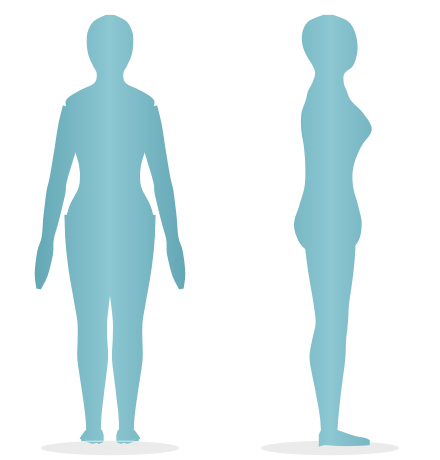 BMI 19
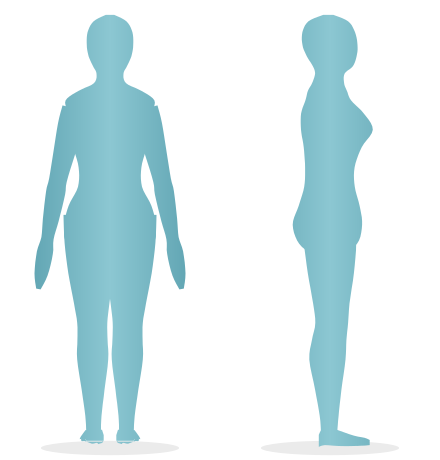 BMI 20
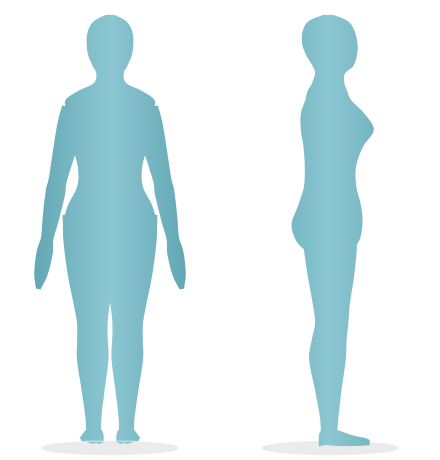 BMI 21
 BMI 22
 BMI 23
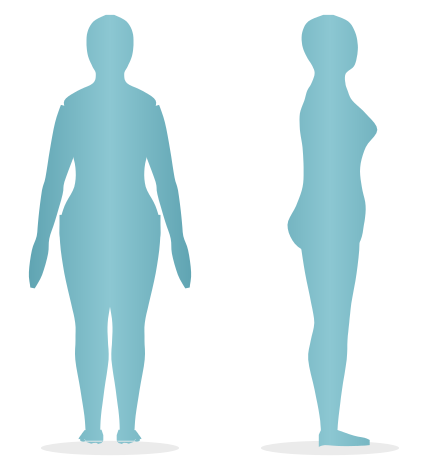 BMI 24
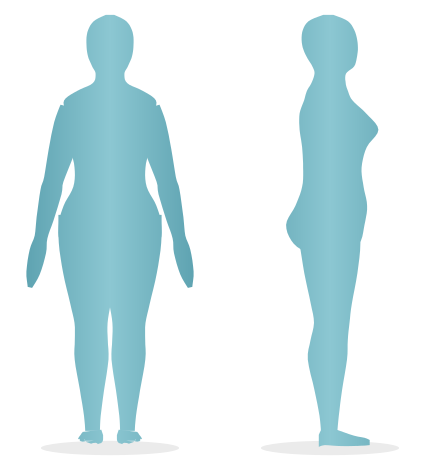 BMI 25
 BMI 26
 BMI 27
 BMI 28
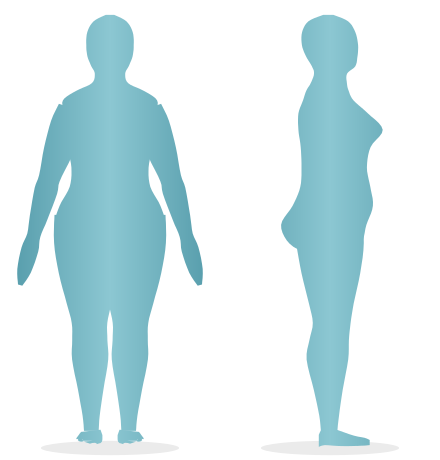 BMI 29
 BMI 30
 BMI 31
 BMI 32
 BMI 33
 BMI 34
 BMI 35
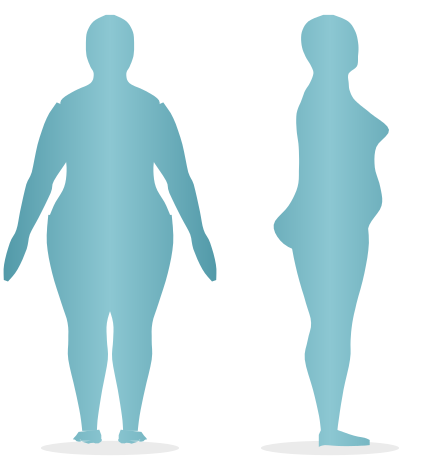 BMI 36
 BMI 37
 BMI 38
 BMI 39
 BMI 40
 BMI 16
 BMI 17
 BMI 18
 BMI 19
 BMI 20
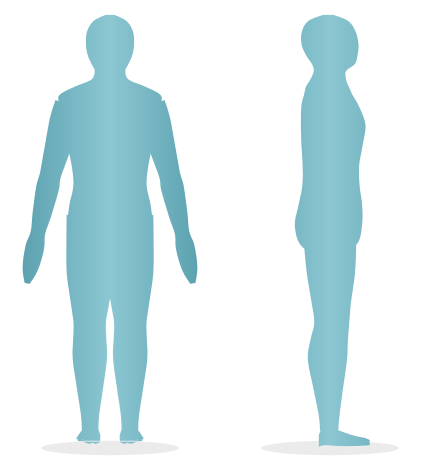 BMI 21
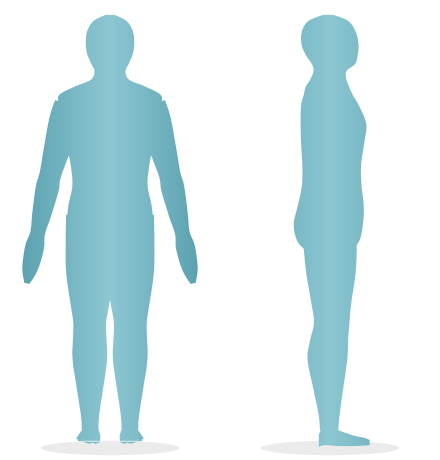 BMI 22
 BMI 23
 BMI 24
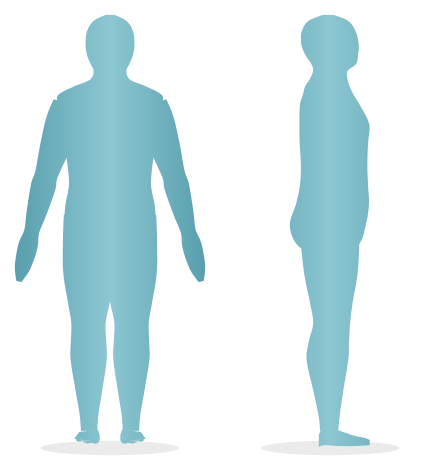 BMI 25
 BMI 26
 BMI 27
 BMI 28
 BMI 29
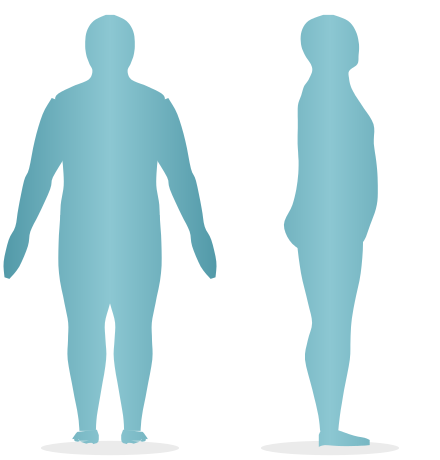 BMI 30
 BMI 31
 BMI 32
 BMI 33
 BMI 34
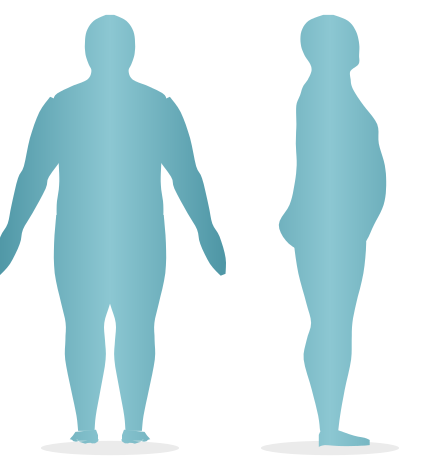 BMI 35
 BMI 36
 BMI 37
 BMI 38
 BMI 39
 BMI 40
How to read the BMI pictures
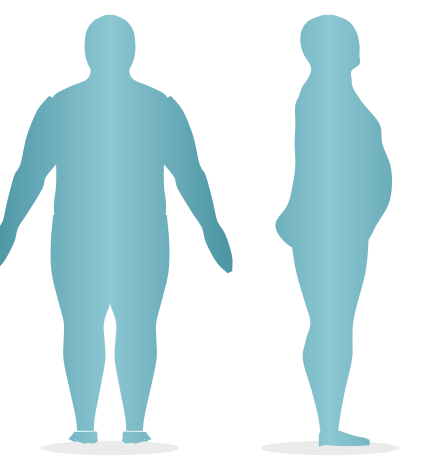
Each image shows the body from the front on the left and from the side on the right. The side view is often the most revealing: it shows changes in the stomach, chest and bottom that are hard to see from the front.
Moving along the rows, the biggest changes happen at the waist and belly for men, and at the hips, thighs and then waist for women. Below BMI 18.5 the changes are in the opposite direction: narrower arms, legs and waist.
Why BMI pictures can help
Most of us picture body weight through the bodies we see every day, and with almost two in three adults in England above a BMI of 25, our sense of “normal” has shifted. Images that change one thing at a time make the categories easier to understand, and can help people judge their own BMI more realistically.
What the images cannot show
Real people at the same BMI vary a lot. Muscle, bone structure, age and where your body stores fat all change how a BMI looks. Treat the images as a typical example. To see your own numbers in 3D, use the BMI visualizer or, for your measurements, the body measurement visualizer.
Sources
The body shapes on this site are illustrations generated from height, weight and sex. They show a typical build and cannot show your own muscle, frame or fat distribution. BMI is a screening measure for adults aged 18 and over; it is not a diagnosis and is not valid during pregnancy. Speak to your GP or a registered dietitian for personal advice. Full disclaimer.